By Scott Nielsen, Director of Filtration, Zurn Elkay
Bottle filling stations have become a common sight in schools, parks, airports, and public buildings. They encourage people to refill reusable water bottles, stay hydrated, and reduce single-use plastic waste.
Because these units are so widespread, many people assume that every bottle filling station automatically includes a water filter. However, that isn’t always the case.
While many modern bottle filling stations include filtration, others dispense water directly from the building’s plumbing without a filter. In many cases, filtered and unfiltered units look nearly identical, which can make it difficult to tell the difference at a glance.
Why Filtration Matters
Elkay filtration systems are tested and certified to reduce harmful contaminants that may be present in drinking water. While municipal water systems already treat water to meet regulatory standards, point-of-use filtration can provide an additional layer of confidence by reducing substances such as lead, chlorine taste and odor, and particulates.
For schools, parks, and other public facilities, filtered drinking water can help promote hydration while giving users peace of mind about water quality.
How to Tell if a Bottle Filling Station is Filtered
If you come across a bottle filling station and want to know whether it is filtered, here are a few things to check.
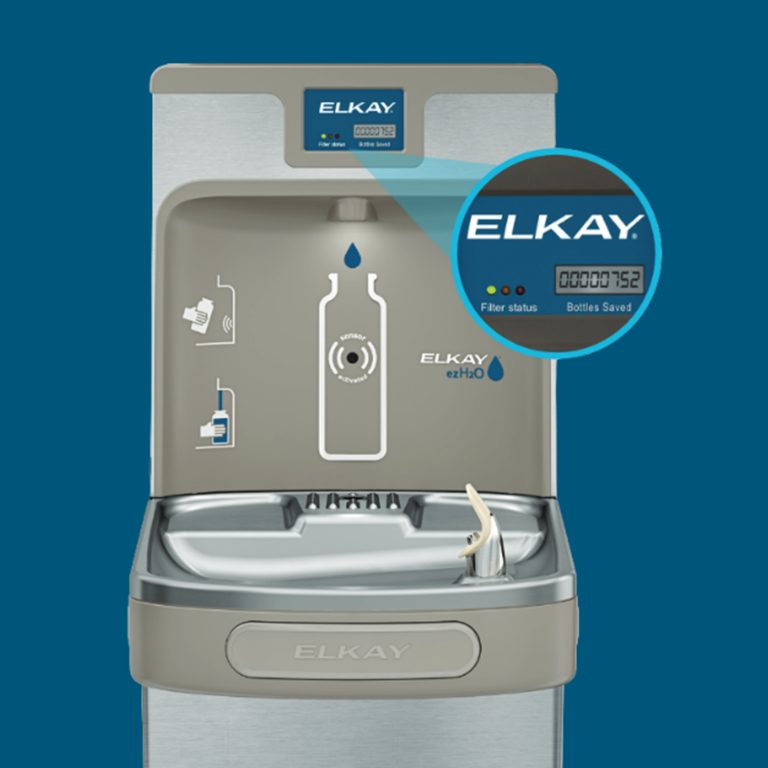
Look for a Filter Indicator Light
Many filtered bottle filling stations include an indicator light that shows the status of the filter. These lights typically change color when the filter needs replacement.
Check for Labeling or Maintenance Information
Filtered units often include labels that indicate the presence of a filter or instructions for filter replacement.
Look for the Model Information
Some units display model numbers or manufacturer information that can help identify whether filtration is included.
Why Maintenance Matters
Even when a bottle filling station includes a filter, regular maintenance is essential. Filters must be replaced according to manufacturer guidelines to ensure they continue performing as intended. Facilities teams typically monitor filter status indicators and schedule maintenance as needed.
What Parents and Community Members Can Do
If you are curious about the drinking water systems in your local school or community facility, you can:
- Ask whether bottle filling stations include filtration
- Ask how often filters are replaced
- Learn more about the facility’s water quality practices
- Visit our landing page to take action
Understanding how drinking water systems work can help communities stay informed and confident about the water they use every day.