By Krystal Pesch, Senior Director, Portfolio Management, Zurn Elkay
If you've ever brought up the topic of water quality, filtration, or what's in school drinking water, you've probably heard it:
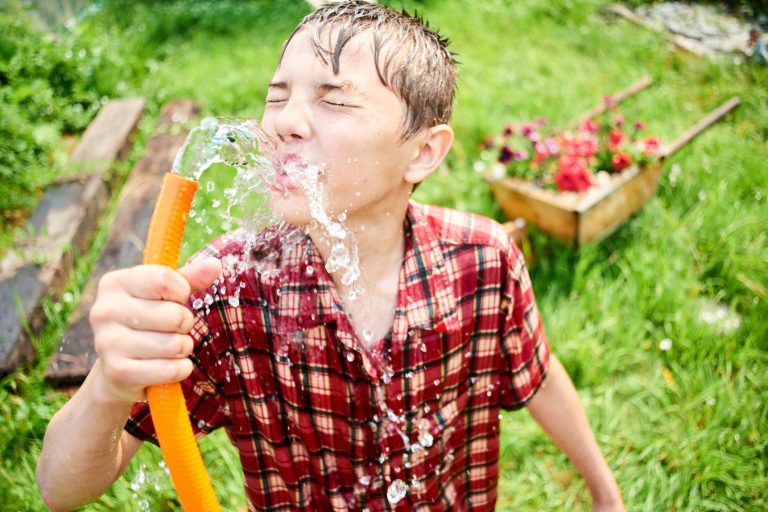
“We drank from the hose as kids and we're fine.”
Honestly, I laugh a little every time. Because yes… many of us did.
Right alongside:
- no bike helmets
- no seatbelts half the time
- secondhand smoke everywhere
- laying outside with baby oil trying to get tan
The point is not that previous generations did everything wrong. It's that we know more now. And drinking water is one of those things.
Water Treatment Is Only Part of the Story
Municipal water treatment is important and highly regulated. But here's what most people don't realize: treatment happens before water travels through miles of aging infrastructure, service lines, school plumbing, fixtures, and pipes inside buildings.
That matters.
Because water can pick up contaminants along the way, including lead, PFAS, copper, sediment, and microplastics. In many communities, the infrastructure carrying water is decades old. Many school buildings still run on plumbing installed long before today's standards even existed.
So when people say "our water is treated," they're right. It is.
Just not at the fountain your kid actually drinks from.
The Water Conversation Has Changed
Another reason the hose water argument doesn't really hold up is that the contaminants we're talking about today are different.
Take PFAS, for example. These chemicals were used for decades in nonstick cookware, waterproof materials, stain-resistant fabrics, and firefighting foam.
The problem is they don't break down naturally.
Products thrown away 20 or 30 years ago are still sitting in landfills and soil today, slowly making their way into groundwater.
That's why PFAS concerns are suddenly everywhere. Not because people became dramatic overnight. Because we're now seeing the long-term effects of chemicals literally designed to last forever.
We Also Test for More Today
Science has changed too.
We can now detect contaminants at levels we couldn't measure decades ago. We understand more about long-term exposure, especially for children whose developing bodies are more vulnerable.
Lead exposure has been tied to developmental and neurological impacts in kids even at very low levels. Microplastics are now being studied extensively in both water and the human body as researchers work to better understand long-term health impacts.
That's not fear mongering.
That's progress.
"Fine" Is Not the Standard
Here's the other thing worth saying out loud: many people claiming they're fine have no idea what chronic exposure may or may not have contributed to over decades.
The absence of a diagnosed problem is not the same as proof nothing happened.
The goal isn't to panic anyone. The goal is to reduce unnecessary exposure where we reasonably can.
Clean drinking water shouldn't be controversial.
Filtration Isn't About Distrusting Tap Water
This is where conversations tend to go sideways.
Wanting filtered water does not mean municipal water treatment is failing. Filtration simply adds a layer of protection at the actual point where people drink, especially in older schools, buildings, airports, and public spaces where plumbing conditions vary widely.
Most parents already filter things without thinking twice:
- air purifiers
- washing produce
- choosing cleaner ingredients
- refrigerator filters
Filtered drinking water isn't extreme. It's just another practical choice people make when they want cleaner water where possible.
The School Question Specifically Matters
One of the biggest misconceptions out there is assuming all modern bottle fillers are filtered. They aren't.
Many schools have newer-looking bottle filling stations that simply chill and dispense tap water. Others use NSF-certified filtration designed to reduce contaminants like lead, PFAS, and microplastics.
Most parents don't realize there's a difference until they look closer.
Asking questions about what your kids drink every day should not be considered extreme.
So Yes, We Drank From the Hose
And many of us also had asbestos in buildings, used leaded gasoline, microwaved food in questionable plastic containers, breathed secondhand smoke indoors, and thought Crystal Pepsi was a great idea.
Things change.
The point isn't to shame the past. The point is to use the information we have today to make smarter choices going forward.
Because "we survived it" and "it's the best option available" are not the same thing.
And if safer, filtered drinking water is accessible now, especially for kids, why would we pretend that's a bad thing?