




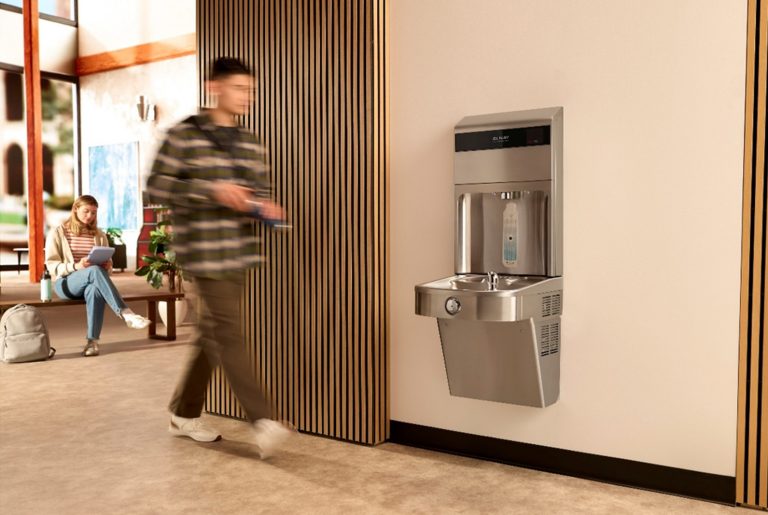
Before college, I didn't put much thought into the water I drank. Like most people, I assumed that if water came from a faucet or drinking fountain, it was fine to drink. Filling a glass from the kitchen sink at home was second nature, and water was one of those things that existed in the background of daily life.
That mindset changed when I went to college. Since I didn't have a sink in my dorm room, I relied on drinking fountains and bottle filling stations across campus to stay hydrated. Whether I was heading to class, studying in the library, working out at the gym, or eating in the dining hall, I regularly refilled my water bottle throughout the day.
Over time, I started noticing that water from one building often tasted different from water in another. Some water seemed fresher, while other fountains had a distinct taste that made me less likely to refill my bottle there. These differences made me pay closer attention to the bottle filling stations I used and raised questions I had never considered before.
The Differences Between Bottle Filling Stations
As I looked closer, I noticed something else: some bottle filling stations had filter status lights, while others did not.
That simple detail led me to realize that not every bottle filling station is filtered. Some units include filtration systems that help reduce contaminants, improve taste, and remove odors, while others dispense municipal tap water directly. Although municipal water is treated before it reaches consumers, it still travels through miles of infrastructure, local plumbing systems, and building pipes before reaching a drinking fountain or bottle filling station.
That's why filters are important. They can help reduce chlorine, sediment, and other impurities that may affect water quality. Even when water is safe to drink, filtration can improve its taste and consistency. In many cases, when water tastes better, people naturally drink more of it.
Why the Filter Status Light Matters
One of the most surprising things I learned was how many people assume every bottle filling station has filtered water. Before college, I probably would have made the same assumption. If a station looks modern, it's easy to believe it’s filtered. However, that's not always the case.
That's why the "Look for the Lights" campaign is so important. The campaign encourages people to check the filter status indicator on a bottle filling station before filling their bottle. These indicator lights provide a quick visual cue that helps users understand whether a filter is present and whether it is operating properly.
