




If the water tastes bad, it must be unsafe. If it tastes good, it must be clean, right?
In fact, many of the contaminants people are most concerned about today, like lead, PFAS (often called “forever chemicals”), and microplastics, are completely invisible to your senses. They have no taste, no smell, and no color. Meanwhile, the thing that often makes tap water taste unpleasant is one of the least concerning components: chlorine.
Why Does Tap Water Sometimes Taste Bad?
Municipal water utilities commonly add chlorine during the treatment process to disinfect drinking water1 and protect it as it travels through miles of underground pipes. This disinfection process has played a major role in reducing waterborne diseases and keeping public water supplies safe.
The downside? Chlorine can leave behind a noticeable taste or odor that many people describe as similar to a swimming pool.
While that flavor may be unpleasant, it’s generally not what health experts are most concerned about.
The Contaminants You Can’t Taste
Many of today’s emerging drinking water concerns are impossible to detect without proper filtration or laboratory testing.
Lead
Lead has no taste, smell, or color. It can enter drinking water through aging plumbing, lead service lines, solder, or brass fixtures. Even low levels of lead exposure can be harmful, particularly for infants and young children, where it has been linked to developmental and neurological issues.2
PFAS (“Forever Chemicals”)
PFAS are a group of man-made chemicals used in products such as nonstick cookware, stain-resistant fabrics, firefighting foam, and food packaging. They earned the nickname “forever chemicals” because they break down extremely slowly in the environment and can accumulate in the human body over time. Current scientific research suggests that exposure to certain PFAS may lead to reproductive effects, increased risks of some cancers, developmental delays, and more.3
Like lead, PFAS cannot be tasted or smelled in drinking water.
Microplastics
Tiny plastic particles have been detected in drinking water supplies around the world. Although scientists continue to study their long-term health impacts, one thing is already clear: you won’t notice them by taste, smell or appearance. Studies suggest ingestion is linked to inflammation, oxidative stress, and more.4
Don’t Trust Your Taste Buds
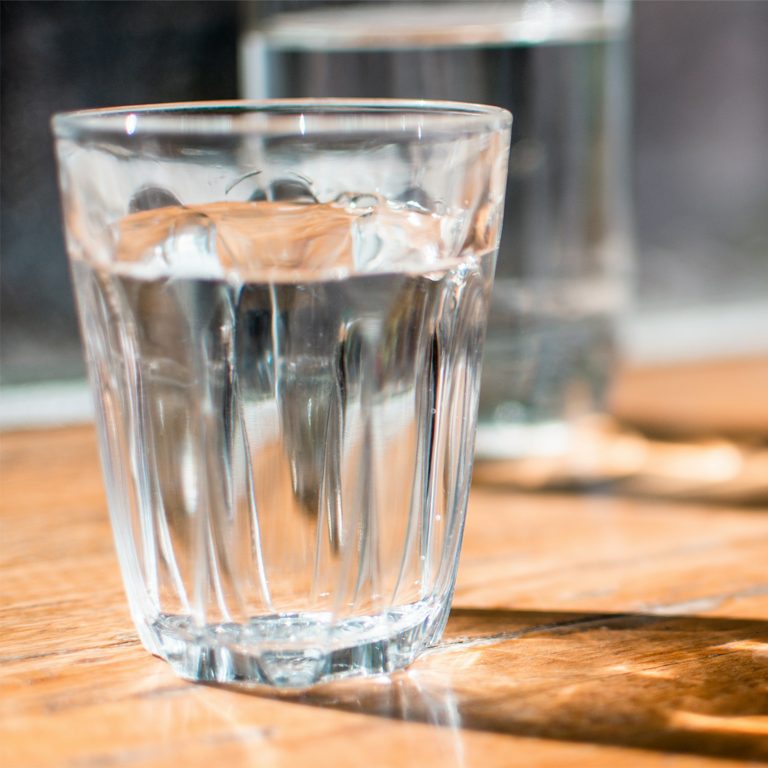
Imagine two glasses of water.
- One has a slight chlorine taste but contains no lead, PFAS, or microplastics
- The other tastes crisp and refreshing but contains invisible contaminants like lead, PFAS or microplastics.
Which one is safer? You couldn’t know based on taste alone.
Our senses simply aren’t designed to detect many of the contaminants that matter most.
Better-Tasting Water Is Just the Beginning
A quality drinking water filter can certainly improve the taste of water by reducing chlorine taste and odor. But the biggest benefit may be what you can’t taste.
Many advanced filters are certified to reduce contaminants such as:
- Lead
- PFAS (PFOA and PFOS)
- Microplastics
- Cysts
- Particulate
- Chlorine taste and odor
This means you’re improving both the taste of your water and the quality of what you’re drinking.
How to Know What’s in Your Water
Rather than relying on taste, take a more informed approach:
- Review your local drinking water quality report
- Check your home’s plumbing if it’s older, especially if lead pipes or fixtures may be present
- Search your zip code on EWG’s tap water database5
- Choose a certified point-of-use water filter designed to reduce the contaminants you’re most concerned about
The Bottom Line
Bad-tasting water doesn’t necessarily mean your water is unsafe, and great-tasting water doesn’t guarantee it’s free from harmful contaminants.
Chlorine is often what your taste buds notice first, but contaminants like lead, PFAS, and microplastics are far more difficult to detect because they have no taste or odor at all.
The safest approach isn’t to judge your water by flavor, it’s to understand what’s in it and use certified filtration that reduces contaminants you can’t see, smell, or taste.
Because when it comes to drinking water, what you don’t notice may matter the most.
About Elkay
Elkay®, part of the Zurn Elkay family of brands, specializes in water solutions that improve the health, safety and experience of our customers and end users. Our world-class portfolio includes filtered bottle filling stations, water coolers, faucets and sinks for schools, airports, healthcare facilities, homes and more. We offer a diverse range of highly functional, visually striking products that elevate spaces, reduce waste, meet strict compliance standards and provide safer, better-tasting water. Visit elkay.com.
Author: Nicole Anderson, Product Marketing Manager
Email: Nicole.Anderson@Zurn.com
Sources:
1 Centers for Disease Control and Prevention. (2024, February 14). About Water Disinfection with Chlorine and Chloramine. Centers for Disease Control and Prevention. https://www.cdc.gov/drinking-water/about/about-water-disinfection-with-chlorine-and-chloramine.html
2 U.S. Environmental Protection Agency. (2026, April 21). Our Current Understanding of the Human Health and Environmental Risks of PFAS. U.S. Environmental Protection Agency. https://www.epa.gov/pfas/our-current-understanding-human-health-and-environmental-risks-pfas
3 U.S. Environmental Protection Agency. (n.d.). Basic Information About Lead in Drinking Water. U.S. Environmental Protection Agency. https://www.epa.gov/ground-water-and-drinking-water/basic-information-about-lead-drinking-water
4 Chandra, Shaneel, and Kerry B. Walsh. (2024, May). Microplastics in Water: Occurrence, Fate and Removal. Journal of Contaminant Hydrology. https://www.sciencedirect.com/science/article/pii/S0169772224000640
5 Environmental Working Group. (n.d.). EWG Tap Water Database. Environmental Working Group. https://www.ewg.org/tapwater/